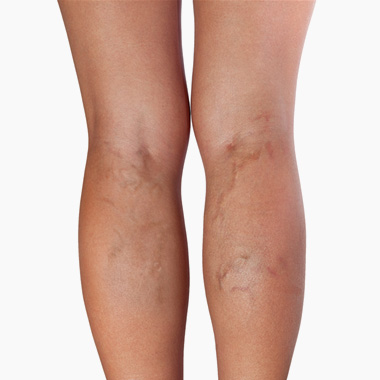
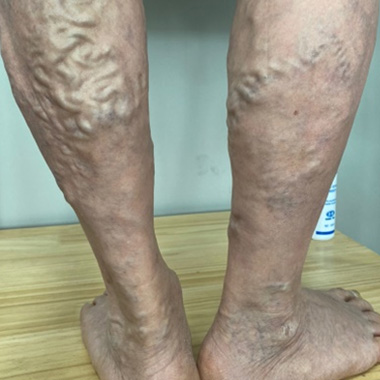
Varicose vein treatment using advanced techniques to minimize recurrence
Specialized Treatment for Recurrent Varicose Veins

Discomfort caused by incomplete or improper treatment.
Treatment for Varicose Vein Side Effects

Side effects of varicose vein treatment refer to the appearance of new symptoms or the persistence of existing varicose vein symptoms after treatment.

Even after undergoing varicose vein surgery, some patients may continue to experience discomfort.
In such cases, it is advisable to consider the possibility of side effects from the varicose vein treatment.
The causes and symptoms of these side effects differ from those of typical varicose veins, so a different approach is required for complete treatment.

CAUSE OF DISEASE

Causes of Varicose Vein Treatment Side Effects

The main cause of side effects is incomplete or insufficient treatment.

For symptoms to improve and the condition to be fully cured, proper treatment must be carried out first.
If treatment is not performed correctly, it becomes difficult not only to relieve symptoms but also to achieve a complete cure, and side effects may occur.
The same applies to varicose vein treatment side effects.
The main cause of these side effects is insufficient or incomplete treatment.
  • Incomplete Vein Closure

    To treat varicose veins, the affected veins with damaged valves and reflux must be completely sealed.
    If even a small gap remains when sealing the affected veins, reflux can continue, and varicose vein symptoms may persist.
    Even if the affected veins are fully sealed, leaving the root of the vein untreated can place stress on the connected branch veins and small veins, potentially causing new varicose veins to develop.

  • Unaddressed Perforating Veins

    When varicose veins develop in the saphenous veins, it is necessary to treat the perforating veins as well to prevent side effects. Perforating veins connect the deep veins and the saphenous veins, carrying blood from the saphenous veins to the deep veins. Under normal conditions, blood flows from the saphenous veins into the deep veins through the perforating veins. However, if the valves in the saphenous and perforating veins are damaged, blood flow becomes impaired.
    If treatment is performed only on the saphenous veins without fully addressing the perforating veins, reflux in the perforating veins can create new reflux pathways, leading to additional varicose veins. It may also reopen previously treated veins, causing recurrence.

  • Sural Nerve Injury

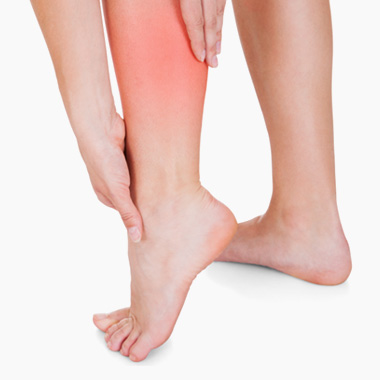
    The sural nerve is responsible for sensory perception in the lower posterior part of the lower leg (between the knee and the ankle) and the skin around the ankle. It is most commonly damaged during vein stripping procedures, where the affected veins are surgically removed. Occasionally, it can also be injured during laser or radiofrequency procedures if treatment is extended excessively toward the ankle. To treat varicose veins without causing sural nerve injury, it is important to employ careful surgical techniques and accurately define the treatment area during the procedure.

SYMPTOM

Symptoms of Varicose Vein Treatment Side Effects

Postural varicose veins are often missed in the early stages. Many people assume leg swelling and heaviness are normal symptoms caused by standing or sitting for long periods, but they may actually be signs of varicose veins. Research has shown that people who stand for more than four hours a day are at greater risk of developing varicose veins. The risk is about three times higher in women and eight times higher in men compared with those who do not stand for long hours. People who stand or sit for extended periods and experience leg discomfort should consider the possibility of varicose veins.

Symptoms of Incomplete Closure and Unaddressed Perforating Veins
  • My legs tire easily.
  • I wake up at night because of leg pain.
  • My legs feel numb and heavy when I sit or stand for long periods.
  • My legs swell in the afternoon or evening.
Symptoms of Sural Nerve Injury
  • I feel a dull or reduced sense of sensation.
  • I experience sharp or throbbing pain.
  • My feet or ankles feel a burning sensation.
  • I feel as if blood is not circulating properly.
CAUTION

Precautions for Treating Varicose Vein Side Effects

Affected areas are accurately diagnosed and treated to ensure that side effects no longer cause discomfort.

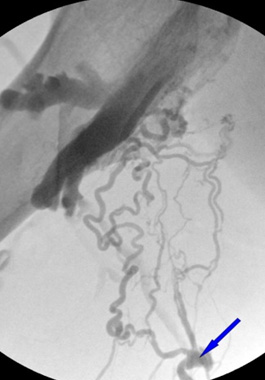
Proper treatment of varicose vein side effects requires a clear understanding of both the affected areas and the underlying cause. The treatment method varies depending on where the side effects occur and what caused them. At Sun Vascular Clinic, we use a variety of diagnostic tools and take sufficient time to examine each vein carefully to assess varicose vein side effects. In addition, to address cases where the affected veins were not properly sealed, we perform venography to identify any gaps from previous procedures.

EFFECT

Treatment Results for Varicose Vein Side Effects

At Sun Vascular Clinic, careful examinations and precise treatment are performed to prevent side effects during varicose vein procedures. Each vein is thoroughly examined to ensure no affected veins are missed, to prevent unnecessary tissue damage, and to assess the risk of recurrence. This allows us to select the most appropriate treatment method and define the treatment area accurately. Through this process, patients can experience the full benefits of their treatment from the very first procedure, achieving a high level of treatment completeness. Even if a patient has experienced side effects due to insufficient treatment at another clinic, Sun Vascular Clinic does not turn patients away. Using our advanced techniques, we improve the effectiveness of previous treatments and help patients regain the health and daily life they may have lost.

TREATMENT

Stage-Based Treatment for Varicose Veins

Stage Early Stage Mid Stage Late Stage
Characteristics Light purple spider veins, small veins less than 1 mm becoming visible, and changes in skin tone Beginning of vein protrusion Veins larger than 1 mm bulging, twisting, or darkening, pigmentation, and thrombosis
Symptoms Heaviness, easy fatigue, mild swelling Tingling or swelling that worsens in the afternoon, leg cramps during sleep, cold sensations, burning in the soles of the feet Itching or crawling sensations, various and complex symptoms, worsening of existing symptoms, skin ulcers
Treatment Methods Medication, compression stockings, sclerotherapy VenaSeal (Horizontal Valve Sealing), Water Tunnel Laser, Mild Radiofrequency Treatment, ClariVein VenaSeal (Horizontal Valve Sealing), Water Tunnel Laser, Mild Radiofrequency Treatment, ClariVein

* Symptoms may vary and may appear in a mix of early, mid, and late stages depending on the progression of the disease.

Medication / Injection Treatment
Medication Treatment
This treatment is performed when varicose veins are detected at an early stage. It is used to prevent the progression of varicose veins or to relieve symptoms.
Sclerotherapy
This procedure involves injecting medication into the vein to close off the affected vessel. It is a simple treatment suitable for patients whose symptoms are not severe.
Procedures / Surgeries
VenaSeal
(Horizontal Valve Sealing)
VenaSeal is a treatment that injects medical adhesive into the vein to improve symptoms of varicose veins.
In cases of saphenous vein reflux, the junction between the saphenous vein and the deep vein is sealed horizontally and closely to form an angle near zero degrees, preventing recurrence.
Water Tunnel Laser
This treatment closes the vein using high-energy heat of 500-1000°C generated by the laser. It uses a diffused laser for safety, and the surrounding tissue is protected by a water tunnel that minimizes heat damage. The latest 1940 nm laser achieves an excellent closure rate with less thermal energy compared to older models, providing a safer treatment option.
ClariVein
This method uses a rotating-blade catheter to mechanically stimulate the inner wall of the vein, followed by an injection of a sclerosing agent. There is no heat damage or heat-related side effect.
Mild Radiofrequency Treatment
This procedure closes refluxing veins using heat energy of 100-120°C generated at the tip of a radiofrequency catheter. Like the laser method, it applies the water tunnel technique to maximize safety.
Vein Stripping Surgery
This traditional method is performed under local or general anesthesia. It involves making a small incision in the skin, tying off the refluxing vein, and removing it from the body. It may also be performed in combination with laser treatment.
TOP