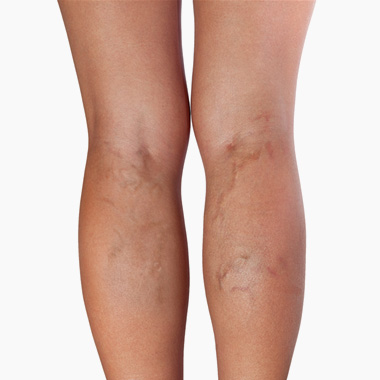
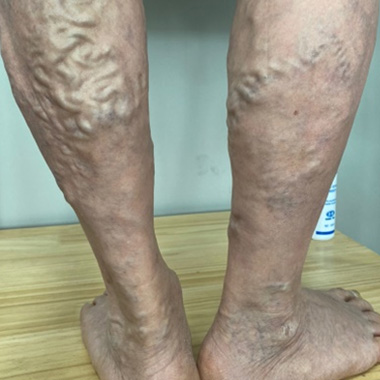
Even when symptoms seem similar, not all varicose veins are the same.
Specialized Treatment for Every Type of Varicose Vein

Varicose veins caused by excessive or prolonged physical activity over time
Exercise-induced Varicose Veins

Exercise-induced varicose veins occur when prolonged and excessive exercise places strain on the legs, damaging the valves inside the veins.

Varicose veins occur when the valves that prevent blood from flowing backward become weakened or damaged, causing blood to flow in the wrong direction and leading to pain in the legs. There are many causes of valve damage, but exercise-induced varicose veins develop when sudden or excessive strain is placed on the legs, disrupting normal valve function. In normal circulation, the valves prevent blood from flowing backward, while the contraction and relaxation of the calf muscles help push blood upward toward the heart. In exercise-induced varicose veins, the calf muscles fail to function properly, and excessive stress on the legs damages the valves.
As a result, the valves are forced to bear the extra strain of weakened calf muscles, which leads to a decline in valve function.

CAUSE OF DISEASE

Cause of Disease

The main causes of exercise-induced varicose veins include exercises that place excessive strain on the legs, such as jogging, hiking, or playing football.

Given the nature of veins, blood in the legs must move upward toward the heart with the help of calf muscle contraction and relaxation.
When the calf muscles repeatedly contract and relax, they push blood upward to the heart, allowing the pumping action to function smoothly and maintain normal circulation. However, when a person exercises excessively for a long time, the volume of blood flow increases. If this exceeds what the veins can normally withstand, the valve function may become impaired, leading to varicose veins. In particular, for patients who already have venous valve dysfunction, exercises that place heavy pressure on the legs, such as squats or weight training, can worsen varicose veins.
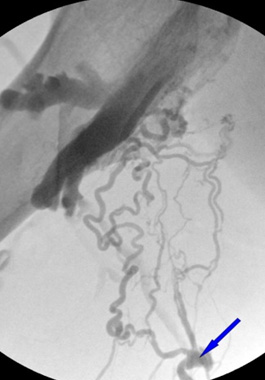
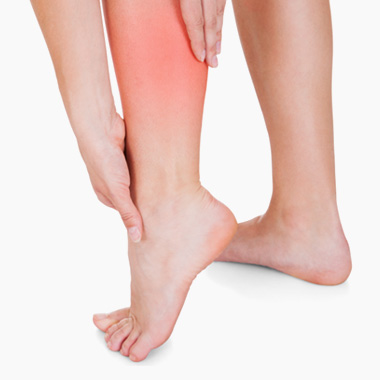
  • Increased external pressure on the veins

  • Decreased valve function caused by prolonged stress on the veins

  • Development of exercise-induced varicose veins

SYMPTOM

Symptoms

Over time, throbbing pain and cramps do not improve and become more frequent.
Even without intense exercise, the legs begin to feel tired easily after symptoms appear.

QUESTION

Common Misconceptions and Facts About Exercise-induced Varicose Veins

01

Can I avoid varicose veins if I do not exercise heavily?

NO !

In everyday life, many people spend long hours sitting at work, on public transportation, or during meals. This often leads to weakened muscles in the lower body.

When blood circulation and muscle strength are already reduced, even moderate exercise can strain the veins and cause exercise-induced varicose veins to develop.
For women, beginning exercise suddenly after a strict diet can also trigger the condition.

02

Painful legs after an intense workout. Is it just muscle soreness?

NO !

Most people dismiss leg pain after intense exercise as simple muscle soreness.
However, both muscle soreness and exercise-induced varicose veins can cause similar symptoms such as leg pain and swelling, making them easy to confuse.

If swelling, pain, tingling, or a sense of heat in the legs or feet occurs frequently and persists, it may be a sign of exercise-induced varicose veins that requires attention.

03

Should I completely avoid exercise after varicose vein treatment?

NO !

After developing exercise-induced varicose veins, some patients drastically restrict physical activity.
However, lack of exercise can actually increase the risk of recurrence.

When exercise is limited too much, the calf muscles weaken, and the pumping function that helps blood return to the heart becomes less effective. As a result, blood can pool in the legs, leading to the reappearance of varicose veins.
Therefore, rather than completely avoiding physical activity, moderate exercise after treatment can help reduce the chance of recurrence.

CAUTION

Precautions for Exercise-induced Varicose Veins

To treat exercise-induced varicose veins effectively, it is important to understand the fundamentals of the condition.

A thorough examination is required to clearly distinguish between muscle pain and varicose veins. In most hospitals, standard varicose vein tests focus mainly on the major veins, such as the great and small saphenous veins. However, exercise-induced varicose veins can also occur in smaller branch veins.If varicose veins in these small veins are overlooked and misdiagnosed as simple muscle pain, the optimal treatment window may be missed, limiting available treatment options.
At Sun Vascular Clinic, we carefully examine even the smallest branch veins to identify the root cause of the pain.

EFFECT

Treatment Results for Exercise-induced Varicose Veins

By carefully examining each vein, we identify and treat the root cause of pain, promoting smooth blood circulation.
After treatment, patients first notice improvements in leg swelling, tingling, and warmth. As recovery continues, fatigue and pain in the legs decrease, allowing patients to begin light exercise. This gradual return to activity strengthens the calf muscles, helping prevent the recurrence of exercise-induced varicose veins.

TREATMENT

Stage-Based Treatment for Varicose Veins

Stage Early Stage Mid Stage Late Stage
Characteristics Light purple spider veins, small veins less than 1 mm becoming visible, and changes in skin tone Beginning of vein protrusion Veins larger than 1 mm bulging, twisting, or darkening, pigmentation, and thrombosis
Symptoms Heaviness, easy fatigue, mild swelling Tingling or swelling that worsens in the afternoon, leg cramps during sleep, cold sensations, burning in the soles of the feet Itching or crawling sensations, various and complex symptoms, worsening of existing symptoms, skin ulcers
Treatment Methods Medication, compression stockings, sclerotherapy VenaSeal (Horizontal Valve Sealing), Water Tunnel Laser, Mild Radiofrequency Treatment, ClariVein VenaSeal (Horizontal Valve Sealing), Water Tunnel Laser, Mild Radiofrequency Treatment, ClariVein

* Symptoms may vary and may appear in a mix of early, mid, and late stages depending on the progression of the disease.

Medication / Injection Treatment
Medication Treatment
This treatment is performed when varicose veins are detected at an early stage. It is used to prevent the progression of varicose veins or to relieve symptoms.
Sclerotherapy
This procedure involves injecting medication into the vein to close off the affected vessel. It is a simple treatment suitable for patients whose symptoms are not severe.
Procedures / Surgeries
VenaSeal
(Horizontal Valve Sealing)
VenaSeal is a treatment that injects medical adhesive into the vein to improve symptoms of varicose veins.
In cases of saphenous vein reflux, the junction between the saphenous vein and the deep vein is sealed horizontally and closely to form an angle near zero degrees, preventing recurrence.
Water Tunnel Laser
This treatment closes the vein using high-energy heat of 500-1000°C generated by the laser. It uses a diffused laser for safety, and the surrounding tissue is protected by a water tunnel that minimizes heat damage. The latest 1940 nm laser achieves an excellent closure rate with less thermal energy compared to older models, providing a safer treatment option.
ClariVein
This method uses a rotating-blade catheter to mechanically stimulate the inner wall of the vein, followed by an injection of a sclerosing agent. There is no heat damage or heat-related side effect.
Mild Radiofrequency Treatment
This procedure closes refluxing veins using heat energy of 100-120°C generated at the tip of a radiofrequency catheter. Like the laser method, it applies the water tunnel technique to maximize safety.
Vein Stripping Surgery
This traditional method is performed under local or general anesthesia. It involves making a small incision in the skin, tying off the refluxing vein, and removing it from the body. It may also be performed in combination with laser treatment.
TOP