Advanced Expertise for Treating Even the Most Complex Varicose Veins
Vascular Treatment Technology

An advanced vascular treatment method designed to prevent recurrence of varicose veins
VenaSeal (Horizontal Valve Sealing) Treatment

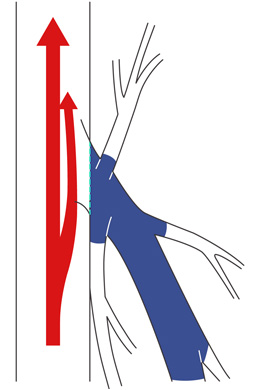
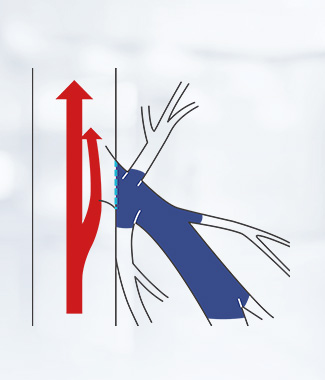
The affected vein is sealed as closely and horizontally as possible to the lower vein wall.
This completely closes the problematic vessel, creating a strong barrier that remains stable under blood pressure without being displaced.

TECHNIQUE

What Is the Horizontal Valve Sealing Technique?

The Horizontal Valve Sealing Technique is an upgraded version of the traditional sealing method, enhanced by the advanced surgical expertise of Chief Surgeon Dr. Kim Seo-jeon. This technique prevents blood reflux by sealing the vein more precisely and securely against the blood flow pressure.

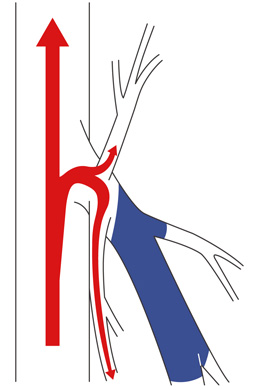
In the past, vein closure methods left about 3 cm of the refluxing vessel unsealed. This often led to recurrence as blood pressure pushed the vein open again or caused reflux through nearby branch veins. To address recurrence caused by incomplete sealing, the “Close Sealing” method was developed to block the vein closer to its root. However, this still had limitations in fully sealing the base of the vein.

The Horizontal Valve Sealing Technique overcomes this issue by closing the problematic vein as closely and horizontally as possible to the lower vein wall, especially in cases with significant reflux at the vein’s origin. This completely seals not only the main vessel but also the adjoining branch veins, providing a strong barrier that effectively prevents recurrence. At Sun Vascular Clinic, the Horizontal Valve Sealing Technique represents an advanced vascular treatment method developed to prevent recurrence. It is a more refined and precise approach than previous sealing methods, closing the problematic vein cleanly in a straight line at an angle close to zero degrees.
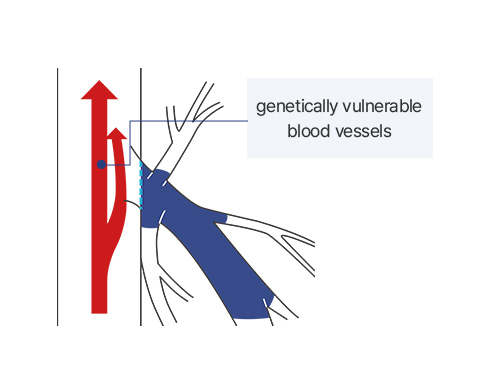
  • Upgraded treatment method beyond the traditional sealing technique
  • Vein closure performed in a perfectly horizontal line, approaching zero degrees
  • Developed based on Chief Surgeon Dr. Kim Seo-jeon’s 20 years of medical expertise in vascular treatment
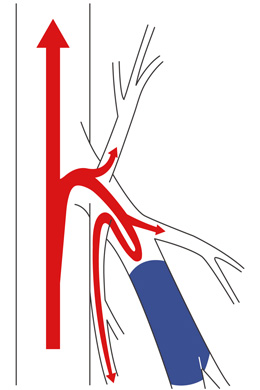
Sort Conventional treatment method
(closure far from the vein origin → frequent recurrence)
Traditional close sealing
(closure 3–5 cm from the vein origin, branch veins remain)
Horizontal valve sealing
(closure within 1 cm from the vein origin, including branch veins)
Method
Closure Area The root of the vein is closed with some space left below the base
(used when reflux at the origin is absent, minimal, or difficult to access)
The root of the vein is closed relatively close to the base The vein is sealed as closely and horizontally as possible to the wall of the deep vein
Characteristics Traditional vein closure method Early close sealing technique Advanced method developed into a higher-level treatment
Result Prevents primary blood reflux Helps prevent recurrence of varicose veins Greatly reduces the likelihood of recurrence
REASON FOR DEVELOPMENT

How Horizontal Valve Sealing Was Developed

Varicose veins occur when blood from the deep veins fails to flow upward toward the heart and instead flows downward into nearby branch veins, such as the great or small saphenous veins, which are superficial veins. They develop at the junctions where deep veins meet the surrounding branch veins, and many smaller veins also converge at these connection points. To prevent recurrence, it is crucial to completely seal the root vein at its base, blocking blood reflux from the source. However, recurrence after treatment was common in the past because this area was not fully sealed.

The main reasons for leaving the very base of the root vein unsealed were:

The high heat from laser or radiofrequency treatments could reach the vein base, raising the risk of damaging nearby deep veins. The root area has many branches and is crossed by important arteries and nerves, so during heat-based treatments, a “water tunnel” layer was used to act as a protective barrier. In VenaSeal treatment, since the adhesive is in liquid form until it hardens, there was a risk that it could move slightly and block a deep vein.

Because of these concerns, the base of the root vein was typically left unsealed by about 3–5 cm.

After many years of continuous research to significantly reduce the recurrence of varicose veins, Sun Vascular Clinic developed the horizontal valve sealing technique. This method seals the root vein closely to its base in a direction that is almost parallel to the wall of the deep vein. It minimizes the risk of deep vein injury and achieves a closure that is close to perfect.

[Advantages of Horizontal Valve Sealing]
  • Dramatically improves upon earlier treatments that left the base of the root vein unsealed due to concerns about deep vein injury.
  • Applies advanced treatment methods based on the core principles of vascular medicine to lower the recurrence rate of varicose veins.
  • The sealed area remains firmly fixed, forming a strong protective wall that prevents it from reopening under blood pressure.
FEATURE

Features of Horizontal Valve Sealing

  • 01

    Significantly reduces the risk of varicose vein recurrence

  • 02

    Seals cleanly in a direction nearly parallel to the vein wall

  • 03

    Provides safe treatment without risk of deep vein injury

  • 04

    Offers a highly refined procedure that helps maintain lifelong vascular health

TOP