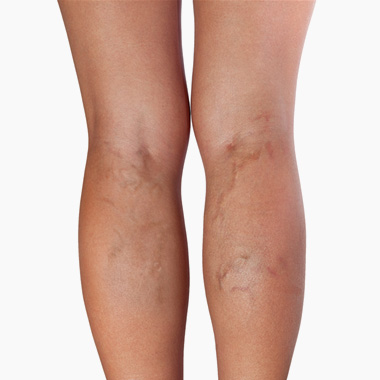
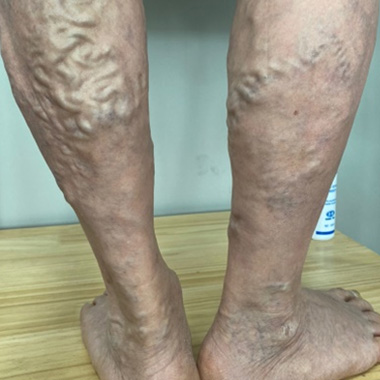
Varicose vein treatment using advanced techniques to minimize recurrence
Specialized Treatment for Recurrent Varicose Veins

Occurs when refluxing veins are not completely sealed.
Revision Varicose Vein Treatment

Revision varicose vein surgery refers to a secondary procedure performed when varicose vein symptoms reappear after a previous treatment.

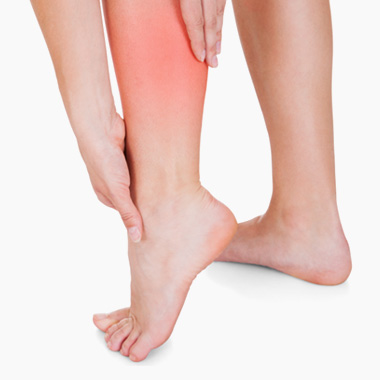
Varicose veins cause symptoms such as leg numbness, swelling, and pain stemming from blood reflux in the legs. Even after receiving treatment before the condition worsened, you may still notice symptoms returning. It is natural to worry whether retreatment will truly relieve the varicose veins that interfere with daily life. There is always a clear reason why varicose veins recur after treatment. When this cause is identified and properly addressed, retreatment can be done effectively without recurrence. At Sun Vascular Clinic, our transparent care system allows patients to see and understand why the recurrence happened. We explain it in clear, easy-to-understand terms and work together with patients to develop an effective treatment plan.

CAUSE OF DISEASE

Cause of Disease

The cause of recurrent varicose veins is the failure to fully seal the affected veins, including the small branch veins.

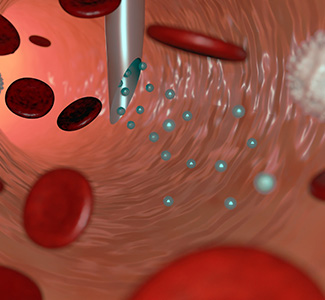
The cause of recurrent varicose veins is clear, thus it is important to identify the reason for the recurrence first. There are two main reasons why varicose veins recur. One is when a previously unaffected vein develops a problem, and the other is when symptoms return in a vein that was treated before. In particular, recurrence in a previously treated vein occurs when the vein was not completely sealed, allowing a new reflux pathway to form. It also includes cases where minor reflux in the small branch veins around the treated vein was overlooked. Ultimately, the main cause of recurrence is the failure to examine and fully seal even the small branch veins.

  • New issues in previously unaffected veins

  • Failure to completely seal the affected veins during treatment

  • Overlooked reflux in the small branch veins around the treated vein

FEATURE

Characteristics of Revision Varicose Vein Surgery

Advanced techniques dramatically reduce the recurrence rate of varicose veins.

Revision varicose vein surgery is a complex procedure because it requires carefully identifying the cause of recurrence and treating it thoroughly to prevent further recurrence. Patients may not always remember exactly which areas were treated previously. The more severe or frequent the recurrence, the more important it is to accurately identify the underlying cause. At Sun Vascular Clinic, we examine not only the main affected veins but also the surrounding small branch veins and seal them completely, significantly reducing the recurrence rate of varicose veins.

Treatment does not end on the day of the procedure. It is essential to monitor the progress to ensure that the recurrent varicose veins have been properly treated. At Sun Vascular Clinic, we prioritize complete recovery and continue to monitor patients for three months after treatment. To reduce the burden of follow-up examinations and make the process more comfortable, additional examinations are provided free of charge. (Additional procedures may incur added cost.)

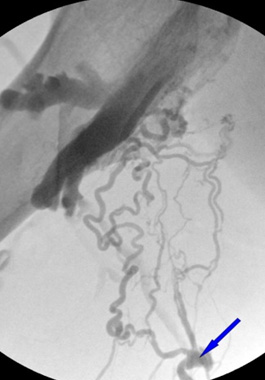
  • Improved diagnostic accuracy with venography
  • Completely sealing the affected veins with precise horizontal closure
  • Thorough treatment of hard-to-find small branch veins
  • Monitoring for three months after treatment to prevent recurrence
CAUTION

Precautions for Revision Varicose Vein Surgery

The key to revision varicose vein surgery is accurately determining the treatment area.

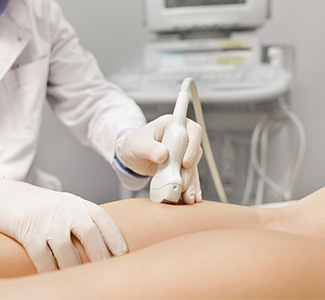
Revision varicose vein surgery requires identifying the cause of recurrence and treating all affected areas without leaving any untreated. Accurately defining the treatment area is essential. At Sun Vascular Clinic, we perform venography to assist in this process. Venography plays a critical role in clearly identifying the cause of recurrence in the affected veins and guiding effective treatment. Before the procedure, a contrast agent is injected into the veins to visualize blood flow, allowing for precise assessment of the vascular condition. However, some hospitals avoid this technique because the contrast agent can sometimes induce vein constriction, making the procedure more difficult. At Sun Vascular Clinic, our extensive experience in varicose vein treatment allows us to overcome these limitations and conduct accurate examinations. During treatment, we also use real-time ultrasound targeting to enhance the precision and effectiveness of the procedure.

EFFECT

Treatment Results for Revision Varicose Vein Surgery

We provide persistent treatment that goes beyond improving visible symptoms, addressing the root cause of varicose veins so that symptoms such as leg numbness, coldness, and heaviness can be relieved. To help patients fully regain their daily life without worrying about recurrence, a vascular specialist with 20 years of dedicated experience personally conducts the examination, treatment, and follow-up care. At Sun Vascular Clinic, we commit to being your lifelong vascular specialist to ensure that revision surgery is never needed again.

TREATMENT

Stage-Based Treatment for Varicose Veins

Stage Early Stage Mid Stage Late Stage
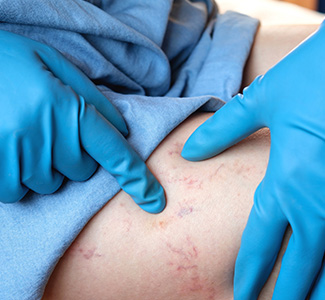
Characteristics Light purple spider veins, small veins less than 1 mm becoming visible, and changes in skin tone Beginning of vein protrusion Veins larger than 1 mm bulging, twisting, or darkening, pigmentation, and thrombosis
Symptoms Heaviness, easy fatigue, mild swelling Tingling or swelling that worsens in the afternoon, leg cramps during sleep, cold sensations, burning in the soles of the feet Itching or crawling sensations, various and complex symptoms, worsening of existing symptoms, skin ulcers
Treatment Methods Medication, compression stockings, sclerotherapy VenaSeal (Horizontal Valve Sealing), Water Tunnel Laser, Mild Radiofrequency Treatment, ClariVein VenaSeal (Horizontal Valve Sealing), Water Tunnel Laser, Mild Radiofrequency Treatment, ClariVein

* Symptoms may vary and may appear in a mix of early, mid, and late stages depending on the progression of the disease.

Medication / Injection Treatment
Medication Treatment
This treatment is performed when varicose veins are detected at an early stage. It is used to prevent the progression of varicose veins or to relieve symptoms.
Sclerotherapy
This procedure involves injecting medication into the vein to close off the affected vessel. It is a simple treatment suitable for patients whose symptoms are not severe.
Procedures / Surgeries
VenaSeal
(Horizontal Valve Sealing)
VenaSeal is a treatment that injects medical adhesive into the vein to improve symptoms of varicose veins.
In cases of saphenous vein reflux, the junction between the saphenous vein and the deep vein is sealed horizontally and closely to form an angle near zero degrees, preventing recurrence.
Water Tunnel Laser
This treatment closes the vein using high-energy heat of 500-1000°C generated by the laser. It uses a diffused laser for safety, and the surrounding tissue is protected by a water tunnel that minimizes heat damage. The latest 1940 nm laser achieves an excellent closure rate with less thermal energy compared to older models, providing a safer treatment option.
ClariVein
This method uses a rotating-blade catheter to mechanically stimulate the inner wall of the vein, followed by an injection of a sclerosing agent. There is no heat damage or heat-related side effect.
Mild Radiofrequency Treatment
This procedure closes refluxing veins using heat energy of 100-120°C generated at the tip of a radiofrequency catheter. Like the laser method, it applies the water tunnel technique to maximize safety.
Vein Stripping Surgery
This traditional method is performed under local or general anesthesia. It involves making a small incision in the skin, tying off the refluxing vein, and removing it from the body. It may also be performed in combination with laser treatment.
TOP